
 11
11 

The Nigeria Centre for Disease Control and Prevention (NCDC) has reported 1,138 confirmed Lassa fever cases and 268 deaths across 24 states, with the case fatality rate rising to 23.6 per cent.
The agency disclosed this in its Lassa Fever Situation Report for epidemiological weeks 39 and 40, covering September 21 to October 4, 2026.
According to the report, the case fatality rate of 23.6 per cent was higher than the 18.6 per cent recorded during the corresponding period in 2025.
The NCDC said confirmed infections had been reported in 119 Local Government Areas across the 24 affected states, with Bauchi, Ondo, Taraba, Benue and Edo accounting for 88 per cent of all confirmed cases during the reporting period.
It identified people aged between 21 and 30 as the most affected age group, while no new infection among healthcare workers was recorded during the two-week period.
A breakdown of the figures showed that Nigeria recorded three new confirmed cases in epidemiological week 40, covering September 28 to October 4, compared with 13 cases in the preceding week.
The three new cases were reported in Bauchi and Benue states, bringing the cumulative number of confirmed infections to 1,138 and deaths to 268.
In week 39, covering September 21 to 27, the country recorded 13 new confirmed cases, compared with 11 cases reported in week 38.
The 13 infections recorded in week 39 were reported in Ondo State, bringing the cumulative number of confirmed cases to 1,134 and deaths to 267.
The case fatality rate for week 39 stood at 23.6 per cent, compared with 18.5 per cent recorded during the corresponding period in 2025.
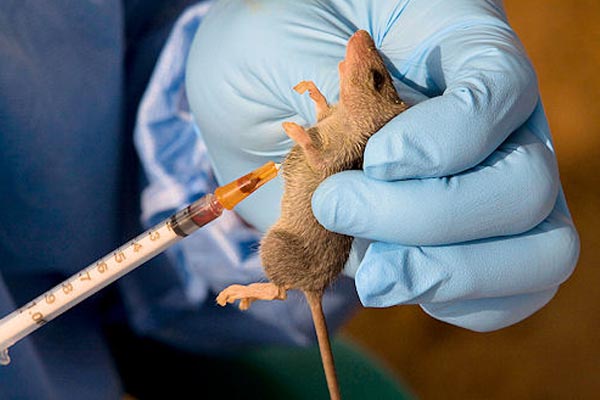
Lassa fever is an acute viral illness transmitted primarily through contact with food or household items contaminated by the urine or faeces of infected rodents, particularly rats.
The disease can also spread through contact with the bodily fluids of an infected person, especially in healthcare settings where appropriate infection prevention and control measures are not observed.
To reduce the risk of infection, the NCDC advised Nigerians to maintain good environmental sanitation, store food in rodent-proof containers and avoid contact with rats.
The agency also emphasised the importance of preventing rodents from gaining access to homes and food storage areas as part of efforts to control the spread of the disease.
(NAN)