 11
11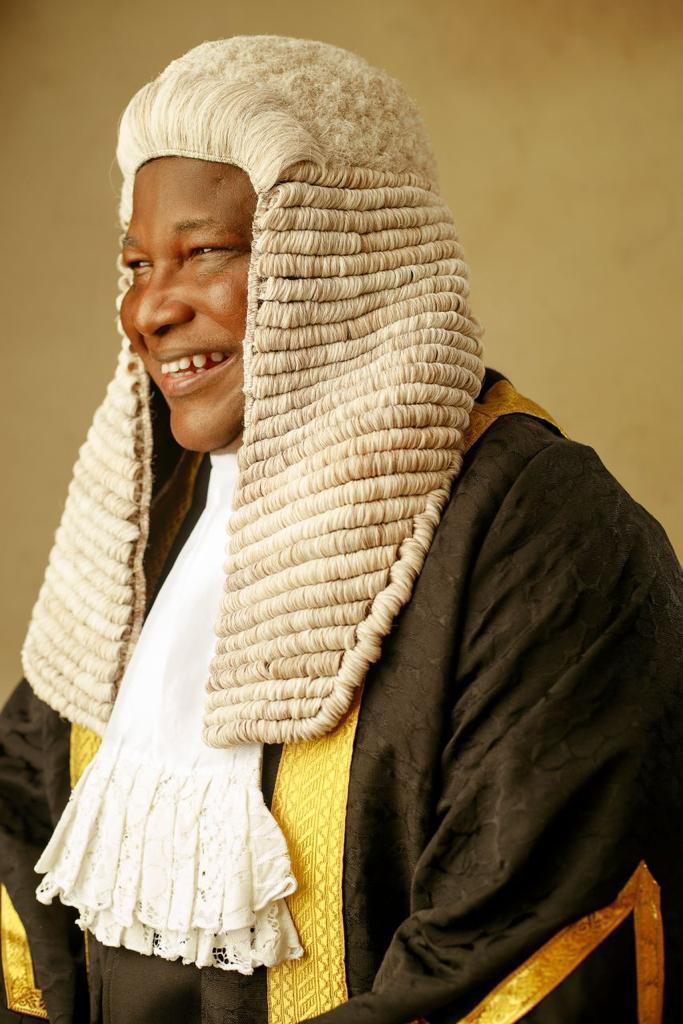


The election of the Nigerian Bar Association’s first female President through direct nationwide voting should have been a defining moment for the legal profession. Instead, it exposed deep concerns about the credibility of the Bar’s electoral process. Dr Wahab Shittu, SAN, argues that only bold institutional reforms can restore confidence in the Association’s ballot.
The election of Mrs Oyinkansola Badejo-Okusanya, SAN, as the 33rd President of the Nigerian Bar Association (NBA) is a landmark in the Association’s history. She is only the second woman to lead the Bar, thirty-four years after Mrs Priscilla Kuye, and the first to attain the office through the direct votes of the Association’s nationwide membership. Yet what should have been an unqualified celebration was overshadowed by controversy. The electronically conducted election, scheduled to commence at midnight on 20 July 2026, was delayed after the Electoral Committee reported a “deliberate, coordinated and sustained cyberattack” on the voting platform. The poll was subsequently extended following widespread complaints of technical failures, delayed authentication codes and the inability of many eligible lawyers to cast their votes. At the conclusion of the exercise, the two defeated candidates rejected the outcome, alleging manipulation and widespread disenfranchisement.
These developments once again exposed the recurring weaknesses in the NBA’s electoral process and reignited concerns about the credibility of its internal democracy.
This article examines the controversies surrounding the 2026 election, identifies the structural factors that continue to undermine confidence in the Bar’s electoral system, proposes practical institutional reforms that can be implemented before the 2028 general election, and considers the prospects for restoring public trust.
The issues extend far beyond the internal affairs of the Nigerian Bar Association. As one of Nigeria’s foremost advocates of electoral integrity, constitutional democracy and the rule of law, the NBA regularly scrutinises public elections, challenges electoral misconduct in court and demands accountability from electoral institutions. Its own electoral processes must therefore reflect the standards it expects of others. Reforming the Bar’s ballot is not merely an administrative necessity; it is essential to preserving the Association’s moral authority and institutional credibility
A Bar that cannot guarantee the integrity of its own ballot cannot credibly demand credible elections from the nation
The Complaints, Fairly Stated
The controversies surrounding the 2026 NBA election can be grouped into five broad complaints.
First was access. Lawyers across the country reported difficulties logging into the voting platform, while one-time passwords were delayed or never arrived. The circulation of multiple voting links added to the confusion, and many eligible voters were unable to cast their ballots within the prescribed period. The Electoral Committee implicitly acknowledged these shortcomings by extending the voting window.
Secondly was the integrity of the platform. The committee’s disclosure that the system had come under a cyberattack, however professionally managed, inevitably raised questions about the security and reliability of the technology. The defeated candidates went further, alleging manipulation of the electoral process.
Thirdly came concerns about transparency. The publication of live voting totals while polling was still in progress generated uncertainty rather than confidence. The dashboard was later withdrawn, leaving many members questioning both the rationale for introducing it and the credibility of the final outcome.
Fourthly, the voters’ register again became a source of controversy. As in previous elections, eligibility depended on branch records and the timely payment of practising fees, prompting disputes over the accuracy and completeness of the register.
Finally, and most importantly, was the issue of legitimacy. Collectively, these complaints reinforced a perception that NBA elections are susceptible to manipulation. Significantly, the President-elect herself acknowledged, while receiving her Certificate of Return, that the belief that the Bar’s elections are “rigged” had, even if unproven, “assumed the toga of reality.”
Fairness, however, demands recognition of the other side of the story. Despite the difficulties, the election was concluded, with more than 26,000 lawyers participating in the presidential poll. The Electoral Committee responded to operational challenges rather than ignoring them, and the margin of victory between the first and second candidates was substantial.
More importantly, the President-elect has neither dismissed the complaints nor sought refuge in her electoral victory. Instead, she has openly acknowledged the trust deficit, made electoral reform the first priority of her administration and offered to subject the election to an independent post-election forensic audit. These are encouraging signals.
I write as one who has already congratulated Mrs Badejo-Okusanya on her election. This critique is therefore directed not at her person or mandate, but at a process that requires urgent institutional reform. President Bola Tinubu struck a similar note in his congratulatory message, urging the Association to address the shortcomings that emerged during the election.
The real question is whether the lessons of July 2026 will produce lasting institutional reforms or, like previous controversies dating back to the introduction of universal suffrage in 2016, gradually fade until the next disputed election reopens the same unresolved questions.
Five Structural Causes
The controversies surrounding NBA elections persist because their causes are institutional rather than incidental. Unless these structural weaknesses are addressed, each election is likely to reproduce the same disputes. Five factors stand out.
1. Ad Hoc Electoral Administration
The first is the temporary nature of the Electoral Committee. A new committee is constituted for each election, often shortly before the poll, by the very leadership whose succession it is expected to supervise. However upright its members may be, this arrangement creates three unavoidable weaknesses: the absence of institutional memory, a perception of limited independence, and a lack of continuing accountability once the committee dissolves after announcing the results.
2. An Unreliable Electoral Register
The second problem is the voters’ register. No election can command confidence without a credible register of eligible voters. Yet the NBA’s register is reconstructed before every election from branch records and practising-fee data, often under severe time pressure. The result is late publication, hurried corrections and recurring disputes over eligibility.
3. Unverifiable Voting Technology
The third challenge is technological. The issue is not electronic voting itself—which remains the only practical option for a nationwide membership—but the absence of verifiable electronic voting. The voting platform is procured without a transparent competitive process; independent security audits are not routinely published before elections; post-election forensic audits are not mandatory; and voters have no independent means of confirming that the votes they cast are the votes ultimately counted.
A voting system that depends entirely on trust will inevitably attract suspicion, particularly within a profession trained to question evidence.
4. Weak Dispute Resolution
The fourth weakness lies in the resolution of electoral disputes. Election petitions are determined through mechanisms established within the same institutional framework that conducted the election, under procedures and timelines often announced at short notice. Consequently, unsuccessful candidates are rarely persuaded that the process was impartial. What is missing is an independent tribunal whose decisions command confidence regardless of the outcome.
5. A Culture of Distrust
Finally, there is a deeper cultural problem. Campaign financing remains largely unregulated and undisclosed, while incumbency continues to confer subtle institutional advantages. Each disputed election reinforces public scepticism about the next, creating a vicious cycle in which confidence steadily erodes. By 2026, the burden of proof had effectively shifted: instead of proving electoral malpractice, the Association increasingly finds itself having to prove that its elections are credible.
Far-Reaching Recommendations
The problems identified are serious, but they are neither inevitable nor beyond the capacity of the Nigerian Bar Association to resolve. The reforms required are practical, achievable and capable of implementation before the 2028 general election.
1. Establish a Permanent Electoral Commission
The NBA should replace the ad hoc Electoral Committee with a standing and independent Bar Electoral Commission, entrenched in the Association’s Constitution.
Its members should serve staggered terms that span successive election cycles, ensuring that no single administration appoints a majority. Their appointment should involve broad institutional participation, including the National Executive Committee, past NBA Presidents and the Body of Benchers, rather than the sitting President alone. To safeguard neutrality, commissioners should be barred from contesting elective Bar offices for a specified period after leaving office.
Equally important, the Commission should enjoy financial independence through a dedicated allocation from practising-fee revenue. Electoral independence cannot depend on goodwill alone; it must be guaranteed by constitutional safeguards, secure tenure and financial autonomy.
2. Create a Continuous Electoral Register
The Association should establish a permanent, continuously updated membership database, reconciled throughout the year with practising-fee records instead of being hurriedly assembled before elections.
The voters’ register should be published well in advance, allowing sufficient time for members to verify their details, lodge objections and correct inaccuracies. Every eligible voter should also receive a unique, secure identity credential, while the management of personal information must fully comply with the Nigeria Data Protection Act, 2023.
3. Adopt Verifiable Voting Technology
The NBA should institutionalise transparent and verifiable electronic voting.
The voting platform should be selected through an open and competitive procurement process, subjected to independent security audits before every election and followed by mandatory post-election forensic audits. Every voter should be able to verify that the ballot cast was accurately recorded and counted through an end-to-end verification mechanism.
The Association should also adopt a clear and consistent policy on the publication of election results. Whether results are displayed in real time or only after voting closes, the procedure should be determined in advance and applied consistently. Likewise, contingency arrangements for cyberattacks, system failures or voting extensions should be governed by published rules rather than ad hoc decisions taken during the election itself.
4. Strengthen Electoral Operations
The credibility of future NBA elections will depend not only on sound principles but also on effective implementation. Electoral integrity is ultimately measured by operational detail.
The first priority is the choice of technology provider. The voting platform should be procured through an open and competitive process based on transparent criteria. Only vendors with proven experience in conducting large-scale electronic elections and recognised information-security certification should qualify. Their ownership structure should be disclosed to eliminate conflicts of interest, while selection should be overseen by an independent technical panel comprising experts in technology law and cybersecurity.
The contract should guarantee system reliability, security audits, accountability and continuity. A transparent procurement process remains one of the strongest safeguards against avoidable electoral disputes.
5. Improve Voter Access and System Reliability
Technology should be tested long before election day. The platform should undergo rigorous stress testing, followed by a mock election involving the actual voters’ register. The results of these tests should be published to inspire confidence.
The voting infrastructure must also include effective protection against cyberattacks, redundant backup systems and a fixed voting period of at least 24 to 48 hours, eliminating the need for last-minute extensions.
To ensure that no eligible member is disenfranchised because of poor internet access, the NBA should establish assisted voting centres through its branches. Throughout the election, members should have access to a public system-status dashboard and a responsive helpdesk. Every technical incident should be documented and published alongside the final election report.
6. Strengthen Voter Authentication
Few things undermine confidence more than eligible voters being unable to access the voting platform.
The Association should operate a single official election portal and communicate exclusively through authenticated digital channels. Members should receive voting credentials through multiple secure methods, including email, SMS and, where appropriate, authentication applications.Most importantly, a credential-verification exercise should be conducted weeks before polling begins, allowing members to confirm their login details and resolve any problems in advance.
No lawyer should discover on election day that he or she cannot vote because of an avoidable technical failure.
7. Establish Independent Electoral Justice
Electoral disputes should be determined by a standing Election Dispute Tribunal comprising respected senior lawyers and retired judicial officers with no involvement in Bar politics.
The Tribunal should receive petitions within clearly defined timelines, determine them promptly and publish detailed, reasoned decisions. Internal dispute-resolution mechanisms should be exhausted before any recourse to the courts.
8. Regulate Campaign Finance
The NBA should introduce campaign finance rules requiring candidates to disclose funding sources, comply with expenditure limits and observe an enforceable code of conduct. Leadership of the Association should be determined by merit and ideas rather than financial advantage.
9. Conduct an Independent Audit of the 2026 Election
The President-elect’s commitment to an independent forensic audit should be embraced by the Association.
The audit should examine the voting platform, the voters’ register and the counting process under terms agreed by all presidential candidates, with its findings published in full.
A credible audit will benefit everyone. If it confirms the integrity of the election, it strengthens the President’s mandate. If it exposes shortcomings, it provides the foundation for meaningful reform. The only damaging outcome would be to avoid the audit altogether.
A Practical Roadmap
The proposed reforms are both practical and achievable within a single presidential tenure.
The forensic audit should be completed before the end of 2026, followed by a broad consultation with members and the adoption of constitutional amendments during the 2027 Annual General Meeting. A permanent Electoral Commission should then be established and funded before the end of 2027, while the continuous voters’ register and independently audited voting platform should be fully operational ahead of the 2028 general election.
None of these reforms requires resources beyond the Association’s capacity. What they require is the determination to build institutions that will outlast the administrations that create them.
Prognosis
The NBA now stands at a defining moment. The next eighteen months will determine whether the controversies of the 2026 election become another forgotten chapter in the Association’s history or the catalyst for lasting electoral reform.
One future is familiar. The protests subside, election petitions run their course, reform proposals gather dust, and the 2028 election is conducted under essentially the same framework. If that happens, the cycle of mistrust will continue, and confidence in the Bar’s electoral process will erode even further.
The alternative is far more promising. The events of July 2026 can become the turning point that finally compels the Association to build an electoral system worthy of its reputation. History shows that disputed elections often provide the impetus for enduring reform. The NBA has an opportunity to follow that path.
There are reasons for cautious optimism. The President-elect has acknowledged the trust deficit, committed herself to electoral reform and voluntarily proposed an independent audit of the election. Her convincing margin of victory gives her both the legitimacy and the political space to pursue meaningful institutional change. Equally important, the concerns raised by her opponents need not remain a source of division; if constructively channelled, they can strengthen the reform process. Above all, the membership has demonstrated that it is no longer willing to accept recurring electoral controversies as inevitable.
The prognosis, therefore, is one of guarded optimism—but only if reform is institutional rather than personal.
Mrs Oyinkansola Badejo-Okusanya’s commitments deserve commendation, but leadership pledges are temporary. Strong institutions endure. Independent electoral commissions, credible voters’ registers, transparent voting technology and impartial dispute-resolution mechanisms outlive the administrations that establish them.
Ultimately, the success of her presidency in this regard will be judged by a single question: When the NBA goes to the polls again in 2028, will its election be conducted under an independent electoral commission, based on a credible register, using verifiable technology and subject to impartial dispute resolution?
If the answer is yes, the turbulence of 2026 will be remembered not as a stain on the Association’s history but as the crisis that inspired lasting reform. More importantly, the second woman to lead the Nigerian Bar Association will have secured a legacy that transcends electoral victory: she will have strengthened the democratic foundations of the profession and restored confidence in the Bar’s ballot.
Dr Wahab Shittu, SAN, teaches Law at the Faculty of Law, University of Lagos, and is the Principal Partner of W. K. Shittu & Co., Lagos.