 11
11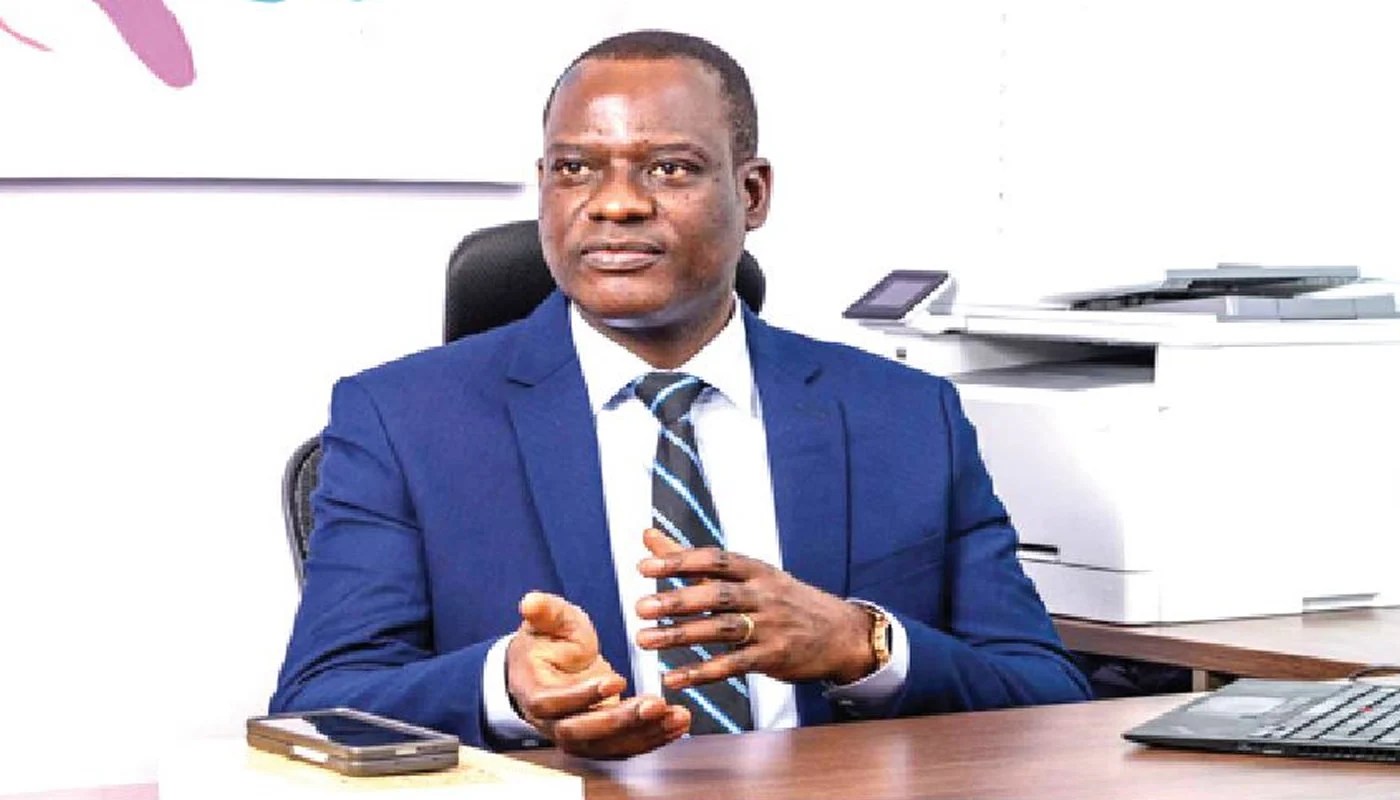


Minister of Finance and Coordinating Minister of the Economy, Taiwo Oyedele, on Monday dismissed claims that the Bola Tinubu administration borrowed ₦80 trillion, saying the increase in Nigeria’s public debt was largely due to accounting adjustments, naira depreciation and the recognition of existing liabilities rather than fresh borrowing.
Speaking during an economic review session with the Senate Committee on Finance, Oyedele said Nigeria’s public debt rose from about ₦75 trillion at the beginning of the current administration to approximately ₦159 trillion, but cautioned against interpreting the increase as entirely new borrowing.
He explained that more than ₦40 trillion was added to the debt stock following the depreciation of the naira after the foreign exchange market was liberalised.
According to him, because Nigeria records its external debt in naira, the value of existing foreign loans increased significantly without additional borrowing.
Oyedele also said about ₦33 trillion was added after the National Assembly approved the securitisation of the Central Bank of Nigeria’s Ways and Means advances obtained by the previous administration.
“That was not new borrowing. It was simply bringing existing obligations onto the government’s books,” he said.
He further argued that legislative approval for borrowing does not necessarily mean the funds have been drawn.
According to him, borrowing involves approval, negotiation and actual disbursement, adding that the Federal Government has not accessed up to half of the borrowing already approved by the National Assembly.
Oyedele disclosed that the Ministry of Finance is preparing a public document detailing approved loans, actual borrowings, amounts utilised and the projects financed.
On the continued need for borrowing despite improved revenue generation, he explained that government expenditure still exceeds revenue.
Using a simple illustration, he said, “If you need ₦10 to run government but only make ₦6, you must borrow ₦4. Even if revenue rises to ₦7, you still need to borrow ₦3.”
He attributed the continued financing gap to debt servicing obligations, implementation of the new national minimum wage, salary adjustments and social intervention programmes, including the Nigerian Education Loan Fund (NELFUND).
During the session, Senator Tahir Monguno expressed concern over the slow pace of budget implementation, noting that while revenue-generating agencies were meeting their targets, capital projects were lagging behind.
He warned that failure to implement the budget constituted “an impeachable offence.”
Senator Adamu Aliero also stated that while the administration of former President Muhammadu Buhari borrowed about ₦75 trillion, the Tinubu administration had borrowed between ₦75 trillion and ₦80 trillion.
He also lamented what he described as poor budget implementation.
Responding, Oyedele said he was not familiar with the specific Federation Account Allocation Committee (FAAC) figures cited but maintained that allocations under the Tinubu administration had not fallen below ₦2 trillion.
He explained that statutory deductions are made before revenue is distributed.
Chairman of the Senate Committee on Finance, Senator Mohammed Sani Musa, said the success of the administration’s economic reforms would ultimately depend on whether Nigerians experience tangible improvements in their living conditions.
He called for a shift to performance- and priority-based budgeting.
“All we need to do is scrutinise the recurrent, scrutinise the overhead, so that we will manage our budget in a way that it goes with the revenue,” Musa said.
He added that the Finance Minister had agreed to work with the Minister of Budget and Economic Planning to improve budget implementation and payment processes.
Reaffirming the administration’s position on borrowing, Oyedele said:
“This administration has been very responsible with borrowing. We remain committed to debt sustainability. Every naira and every dollar we borrow must add more value than the amount borrowed.”