 11
11


• Experts say decade-old initiative offers practical framework to protect schools, students nationwide
By Sunny Osa Irabor
ABUJA — A school safety initiative developed more than a decade ago by former Inspector-General of Police, Sir Mike Okiro, is attracting renewed attention as Nigeria grapples with persistent attacks on schools, student abductions and growing concerns over the safety of educational institutions.
The initiative, known as the Save Our Children Project, was conceived in 2012 as a preventive strategy aimed at strengthening school security through security awareness education, early-warning systems and institutional safeguards.
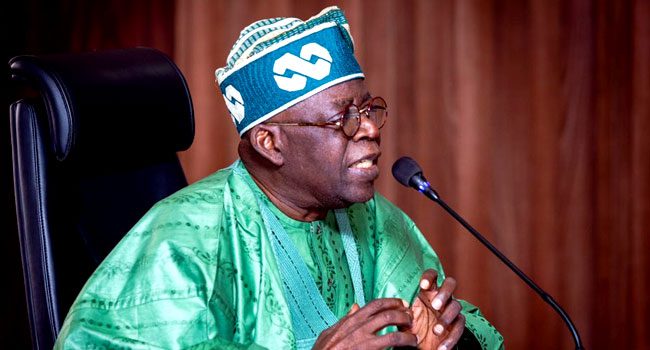
Its renewed relevance comes amid ongoing efforts by the Federal Government to improve safety in schools, including recent directives by President Bola Ahmed Tinubu ordering security agencies to strengthen protection around educational institutions and enhance the implementation of school safety measures nationwide.
Originally launched as “Securing Our Children” before being renamed the Save Our Children Project, the initiative was developed at a time when terrorism, militancy, banditry and attacks on schools were emerging as major security threats.
The project sought to address the challenge by equipping students, teachers and school administrators with practical knowledge on security awareness, personal safety and emergency response.
Okiro, who played a prominent role in the disarmament of Niger Delta militants during the administration of late President Umaru Musa Yar’Adua, argued that many casualties arising from violent attacks could be prevented through sustained security education and effective early-warning mechanisms.
Under the proposal, teachers and school principals were to undergo specialised security awareness training and subsequently transfer the knowledge to students through a structured train-the-trainer programme.
The initiative also recommended the establishment of dedicated school security units to protect educational institutions, deter attacks and ensure rapid response during emergencies.
According to the project document, its objectives include educating young people on security awareness and personal safety, reducing casualties during security breaches, promoting vigilance and civic responsibility, and creating a nationwide network of security-conscious youths capable of providing early-warning information.
To facilitate implementation, Okiro, through the Security Awareness and Justice Foundation, submitted a proposal to the Federal Ministry of Education in September 2012 seeking official endorsement and partnership.
Although the proposal was widely regarded as innovative and timely, implementation was slowed by administrative and bureaucratic challenges.
A major breakthrough came in 2018 when the Federal Ministry of Education formally endorsed the initiative during the administration of former President Muhammadu Buhari.
The endorsement was conveyed by the then Minister of Education, Mallam Adamu Adamu, who inaugurated a Central Working Committee for the project and highlighted the need for security education in Nigerian schools.
Speaking at the inauguration ceremony in Abuja, Adamu said prevailing security challenges had heightened concerns among parents and guardians, leading to school closures, declining enrolment, withdrawal of students and reluctance among teachers to accept postings to vulnerable areas.
He described the initiative as a necessary intervention and called on stakeholders to support efforts to mobilise resources for its implementation.
The project was designed to commence in the nation’s 103 Federal Unity Colleges before expanding to schools across the country.
However, despite the ministerial endorsement and inauguration of the working committee, implementation failed to progress substantially due to funding constraints and administrative bottlenecks.
With incidents of kidnapping and violent attacks on schools continuing in parts of the country, many of the concerns identified by the project more than a decade ago remain unresolved.
Observers note that insecurity around educational institutions has continued to evolve, with attacks spreading to areas previously considered relatively safe.
Against this backdrop, the Save Our Children Project is increasingly being viewed as a framework that could complement ongoing efforts to secure schools and ensure a safer learning environment for millions of Nigerian children.