 11
11 

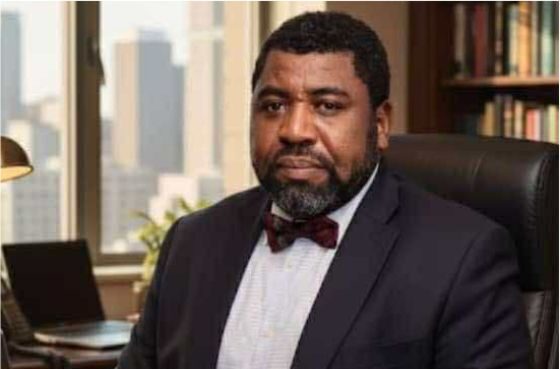
Babafemi Ojudu urges Anthony Kila to address allegations of fabricated academic credentials through truth, accountability and restitution, while appealing for compassion, support and an opportunity for personal redemption
The latest Premium Times investigation into Anthony Kila’s academic credentials has left me deeply troubled. Following its earlier report questioning his professorial title, the newspaper has now reported that the degrees he claimed to have obtained—from bachelor’s to doctorate, alongside other qualifications—were fabricated. It cites responses from universities and discrepancies in the programmes and dates he supplied. Kila, in his response to the newspaper, said he was gathering his academic and professional documents.
These are grave allegations that deserve a clear, documented answer.
I know Anthony quite well. We have belonged to a Yoruba association together, where his contributions were insightful and his conduct dignified. He is articulate and intellectually gifted, and I have often found his analyses of public issues compelling. That is precisely why these revelations are so confounding. With such ability, why would anyone need to invent academic credentials?
What happened to him? How did he acquire such knowledge, yet apparently lack the qualifications he claimed? If he is self-taught, that would itself be a remarkable achievement. But if the allegations are true, the ingenuity involved in sustaining such an elaborate identity brings to mind the impostor portrayed in Catch Me If You Can. How did he do it, and why? We need answers.
A person can be widely read, knowledgeable and useful to society without a university degree. There is no shame in that. But claiming qualifications one has not earned is a betrayal of trust. Intelligence cannot excuse dishonesty; eloquence cannot confer a degree.
Anthony, if the newspaper’s findings are wrong, provide verifiable evidence that answers them. If they are true, I urge you to come clean—fully and without further evasion.
Coming clean requires more than expressing regret over the controversy. It means stating plainly which claims were false, withdrawing them publicly and giving an accurate account of your education and professional history. It means asking institutions, broadcasters and publishers to correct biographies that repeat those claims, and ceasing to use any title or qualification you cannot substantiate.
You must explicitly disavow the fabricated identity, if that is what it was. Merely distancing yourself from the embarrassment of its exposure will not suffice. An apology must acknowledge the deception and the people whose trust was abused. It must take responsibility without blaming those who believed you or those who investigated you.
Restitution must follow. If false credentials secured appointments, payments or other benefits, those matters should be disclosed and addressed through the appropriate processes. Cooperate with legitimate investigations, make amends where harm can be established and accept the consequences that follow. Forgiveness cannot be demanded, and trust cannot be restored by another persuasive speech. It must be earned through sustained honesty.
Yet accountability must leave room for humanity.
I make a heartfelt appeal to his family and close friends: please stay close to him through this crisis. I have no information that he intends to harm himself, but I am concerned about his welfare. Check on him, listen to him and ensure that he knows he has people he can turn to. If he expresses thoughts of suicide or shows signs of immediate danger, take them seriously, stay with him and seek urgent professional help.
We can insist on the truth without turning public scrutiny into cruelty. Nobody should be driven to believe that death is the only escape from disgrace. His life remains worth protecting, even while serious questions demand answers.
Anthony, there is a way forward. It may be painful, and it will require humility, restitution and patience. You may lose titles, positions and the confidence of people who once admired you. But you still have the opportunity to build an honest life and put whatever knowledge and ability you possess to legitimate use.
You can study, earn qualifications properly and contribute under your own name, supported by achievements that can withstand scrutiny. You cannot undo the past, but you can stop perpetuating any falsehood and begin to repair the harm it has caused.
Tell the truth. Make amends. Accept accountability. Give yourself the chance to begin again.
The first step towards that future is an honest account of the past.