Business
FG pays ₦1.2trn power debt, targets 19,000MW transmission capacity

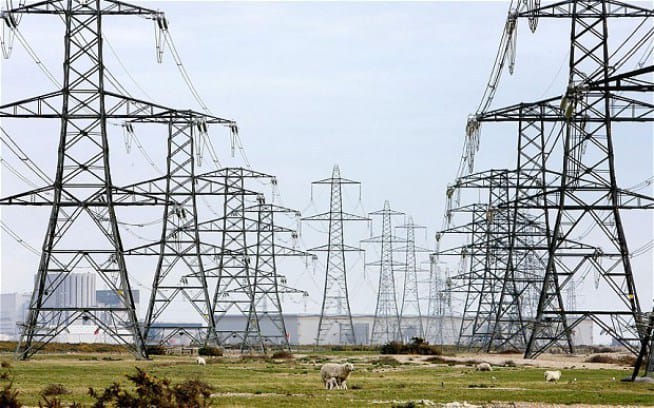
The Federal Government has paid ₦1.2 trillion out of Nigeria’s outstanding ₦2.3 trillion power sector debt, in a move aimed at easing liquidity constraints in the electricity industry and improving power supply.
The Minister of Power, Joseph Tegbe, disclosed this on Wednesday after the Federal Executive Council meeting presided over by President Bola Tinubu at the Presidential Villa, Abuja.

Tegbe said the payment was part of broader efforts to address financial challenges in the power sector, particularly those affecting gas supplies to electricity generation companies.
He said the government was also working to stabilise the national grid, strengthen transmission infrastructure and improve electricity delivery to consumers.
According to the minister, the administration plans to expand the country’s transmission capacity from its current level of about 5,000 megawatts to more than 19,000MW.
He said the expansion was necessary to address infrastructure gaps and enable the national grid to accommodate more of the electricity generated across the country, estimated at more than 13,000MW.
Tegbe noted that Lagos and adjoining areas account for approximately 50 per cent of national electricity demand, while Abuja, Kano and other locations also require improved transmission infrastructure to meet growing needs.
The minister further disclosed that delays in clearing imported consignments had affected the availability of essential materials required for electricity infrastructure projects.
He said the government was taking steps to resolve the outstanding clearance issues to facilitate the delivery of equipment needed for sectoral improvements.
Tegbe also announced that construction had commenced on a modern National Control Centre in Osogbo, Osun State, to replace the existing facility, which he said had been in operation for 64 years.
According to him, the new centre will be equipped with advanced monitoring and control systems designed to improve grid coordination, operational efficiency and the management of electricity transmission nationwide.
The minister reaffirmed the Federal Government’s commitment to settling outstanding obligations, modernising transmission infrastructure and expanding alternative energy solutions to support more stable and reliable electricity supply.
However, the proposed increase in transmission capacity will require substantial investment and coordinated improvements across the electricity value chain, including generation, transmission and distribution, before consumers can fully benefit from the planned expansion.




Obasanjo: Debt worse than leprosy, destroys generations

Imo NYSC kidnap: Bus driver, witness identify five suspects in court

2027: Media must shun unofficial election results, Arogundade warns

INEC blames registration officers for AI-generated photos, other irregularities in voter register

N15.5m fraud: Witness alleges ex-CCT boss directed N6m payment to wife, N4m for children’s fees

Expedited terrorism trials offer model for criminal justice reform, by Prof Akinseye-George, SAN

N30.8bn fraud: ICPC re-arraigns self-styled DG Adeyemi for forgery

LPPC opens 2027 SAN application portal, pegs fees at N5m, N2.5m
INEC clears Pantami, Gwarzo for 2027 polls, rejects Adebutu’s petition

FG pays ₦1.2trn power debt, targets 19,000MW transmission capacity

Presidency seeks private sector funding for state Police

Tinubu appoints ex-DSS DG Yusuf Bichi NISS Governing Board Chairman

Agbakoba, Ojo, Etomi, three others to receive Gavel Lifetime Achievement Awards

Media Trust Group to launch AI-powered converged digital Newsroom

Ex-DSS officer apologises to DG over leaked memo, threatens lawsuit against SaharaReporters
Sanction of Judges: NJC on quiet revolution to cleanse judiciary—Prof Akinseye-George, SAN

Does Nigeria truly have over 103 million voters, asks Prof Chidi Anselm Odinkalu
N2bn Fraud: How Eteta Ita looted FIRS’ funds to service her private school ― Witness

Rivers lawyers give VeryDarkMan seven days to apologise over alleged defamation
A First generation bank employee on the run after diverting ₦40bn — Report
-
 NewsOctober 28 2026
Presidency seeks private sector funding for state Police
-
 General NewsOctober 23 2026
Tinubu appoints ex-DSS DG Yusuf Bichi NISS Governing Board Chairman
-
 Bar and BenchOctober 23 2026
Agbakoba, Ojo, Etomi, three others to receive Gavel Lifetime Achievement Awards
-
 NewsOctober 18 2026
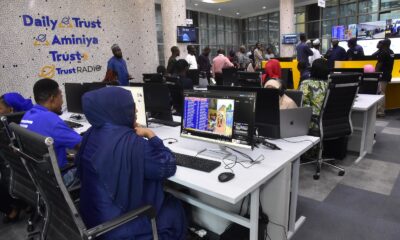
Media Trust Group to launch AI-powered converged digital Newsroom
-
 General NewsOctober 21 2026
Ex-DSS officer apologises to DG over leaked memo, threatens lawsuit against SaharaReporters
-
Bar and BenchMay 2 2025
Sanction of Judges: NJC on quiet revolution to cleanse judiciary—Prof Akinseye-George, SAN
-
 CommentaryOctober 25 2026
Does Nigeria truly have over 103 million voters, asks Prof Chidi Anselm Odinkalu
-
FeaturedMarch 19 2024
N2bn Fraud: How Eteta Ita looted FIRS’ funds to service her private school ― Witness